Exploring the cultural significance of gambling across different societies
The Historical Roots of Gambling
The origins of gambling can be traced back thousands of years, appearing in various cultures as a form of entertainment and social interaction. Archaeological findings suggest that ancient Chinese civilizations used dice as early as 2,300 BC, while the Greeks and Romans indulged in betting on various games and contests. These early forms of gambling served not only as leisure activities but also as a means of social bonding and cultural expression, integrating deeply into the fabric of society. Today, platforms like Bet Score Casino illustrate how far this practice has evolved, providing an array of gaming options for modern players.

As societies evolved, so too did gambling practices, with each culture adapting them to its own social norms and values. In Medieval Europe, for instance, gambling was often associated with the nobility, who would wager on knightly tournaments. In contrast, in many Indigenous communities, gambling was interwoven with spiritual practices, often viewed as a way to connect with the divine. Such historical contexts illustrate that gambling has consistently played a multifaceted role across different societies, serving both recreational and ceremonial purposes.
Understanding the historical roots of gambling is crucial to appreciate its contemporary significance. Today, various forms of gambling, including lotteries, casinos, and online betting, reflect not only individual preferences but also broader cultural attitudes towards risk, luck, and fate. This evolution highlights how gambling has transcended mere play to embody complex social and cultural narratives, often mirroring the values and beliefs of the societies that engage in it.
Cultural Perspectives on Gambling
Cultural attitudes toward gambling vary significantly around the world, influenced by historical, religious, and social factors. In some cultures, gambling is embraced as a thrilling pastime, while in others, it is stigmatized and viewed as morally questionable. For instance, many Western societies tend to have a more liberal approach to gambling, seeing it as a form of entertainment that can stimulate the economy and create jobs. This perspective is often reflected in the establishment of casinos and sports betting platforms, particularly in places like Las Vegas and Macau. When examining the offerings at Betscore casino Canada, one can see how these cultural attitudes are integrated into the design and operation of gaming sites.
Conversely, countries with strong religious influences, such as Islamic nations, often impose strict prohibitions against gambling. In these cultures, gambling is viewed as a vice that promotes greed and leads to social decay. However, even within these societies, underground gambling activities persist, indicating a complex relationship with the practice. This duality raises questions about the role of legality and morality in shaping cultural perceptions of gambling.
The cultural significance of gambling extends beyond just individual attitudes; it also influences social structures and interactions. In some Indigenous communities, for example, gambling is often a communal activity that fosters social ties and collective identity. Betting rituals can signify friendship, alliances, or even rites of passage, illustrating how gambling can serve as a vehicle for cultural expression. Through these varying cultural lenses, one can see that gambling is not merely a pastime but a reflection of deeper societal values and conflicts.
The Economic Impact of Gambling
The economic implications of gambling are significant and multifaceted, impacting local communities and national economies alike. In many countries, gambling generates substantial revenue through taxes, licensing fees, and tourism. For instance, Las Vegas thrives on its casinos, attracting millions of visitors who contribute to local businesses and job creation. The economic benefits can be immense, but they often come with challenges, such as the social costs associated with gambling addiction and crime.
Moreover, the rise of online gambling has transformed the economic landscape, allowing individuals to place bets conveniently from their homes. This shift has opened up new markets and revenue streams, creating a more globalized gambling industry. However, it also raises concerns about regulation, consumer protection, and responsible gambling practices. As governments grapple with these issues, the challenge lies in balancing economic benefits with the potential social ramifications.
In addition to direct economic contributions, gambling often fuels ancillary industries, such as hospitality, entertainment, and technology. The interconnectedness of these sectors illustrates how gambling can serve as an economic catalyst. For example, sports betting has led to the growth of sports-related businesses, including advertising and merchandise. Understanding the economic impact of gambling requires a comprehensive approach that considers both benefits and drawbacks, revealing the complexities of its role in society.
Gambling and Social Identity
Gambling is often intertwined with social identity, serving as a means of expression and belonging within various communities. For many, participating in gambling activities can reinforce social ties, as friends and family gather for games, bets, or sports events. This communal aspect fosters a sense of shared experience and identity, blurring the lines between individual enjoyment and collective participation. In some cultures, communal gambling events even serve as festivals or celebrations, elevating the activity beyond mere entertainment.
Additionally, gambling can act as a form of social stratification, revealing disparities in access and participation across different demographics. Factors such as socioeconomic status, ethnicity, and age can significantly influence gambling behaviors. For example, studies have shown that marginalized communities may be more likely to engage in informal or illegal gambling activities, driven by limited access to legitimate options. This dynamic raises essential questions about equity and inclusion in gambling practices.
Furthermore, the identity associated with gambling can shift based on cultural narratives and media representations. The portrayal of gamblers in films, literature, and advertisements often shapes public perception, sometimes glorifying risky behavior while stigmatizing others. This duality can lead to conflicting views on gambling, highlighting the complexities of how society conceptualizes risk, luck, and morality. Understanding these social identities is crucial for addressing issues such as responsible gambling and societal impacts.
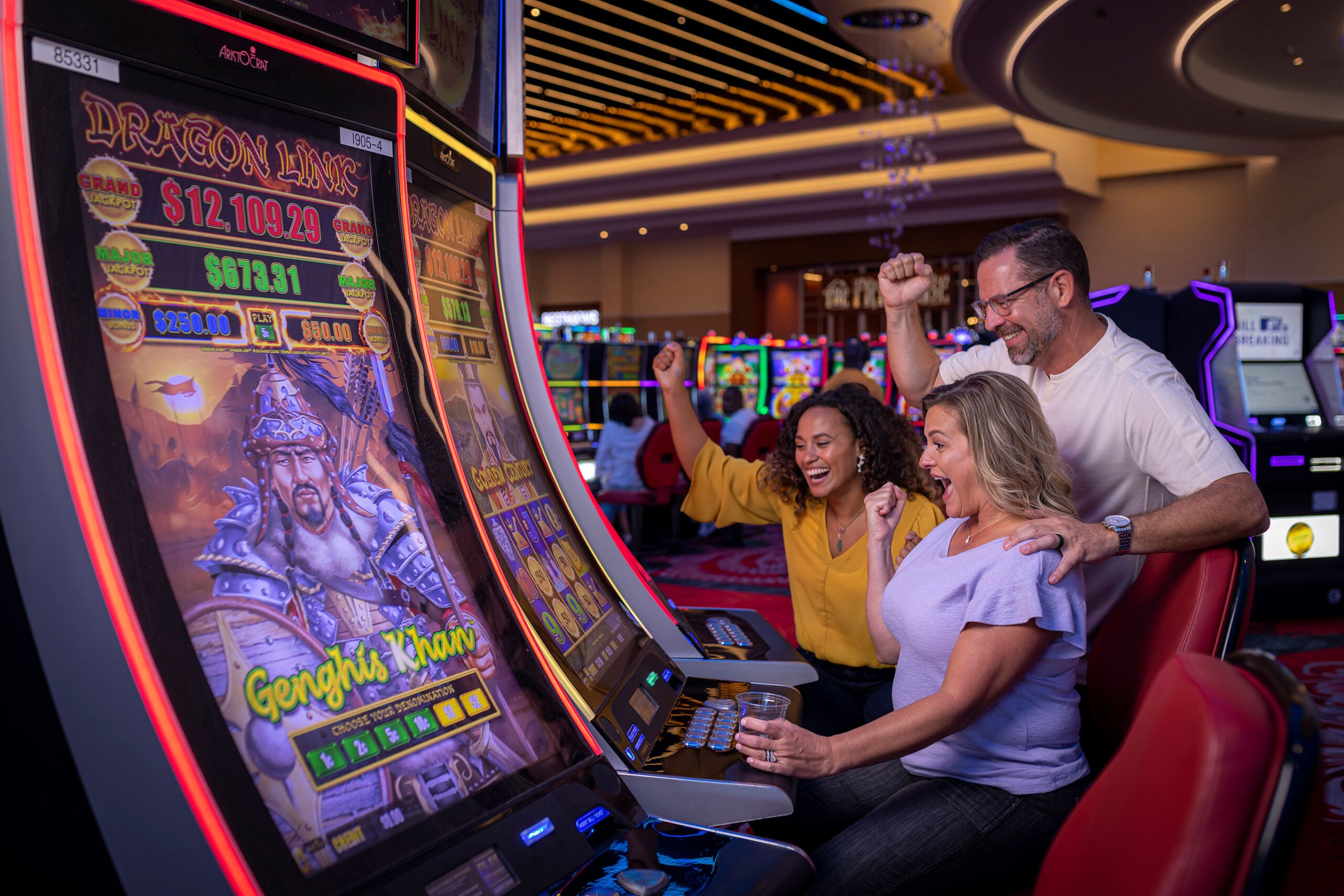
Exploring Betscore Casino: A Reflection of Modern Gambling Culture
Betscore casino exemplifies the contemporary landscape of online gambling, showcasing how technology has transformed this age-old practice. With an extensive selection of games, including slots and live casino options, it caters to a diverse audience, reflecting the varied interests and preferences of today’s players. This platform not only illustrates the convenience of modern gambling but also highlights the shift towards online engagement, particularly in the wake of global trends that prioritize digital experiences.
The welcoming bonuses and promotional offers at Betscore casino serve as an enticing entry point for newcomers, encouraging exploration within the platform. This model mirrors broader trends in gambling, where incentives play a crucial role in attracting and retaining players. As competition among online casinos increases, understanding consumer behavior and preferences becomes essential for success in this rapidly evolving industry.
Moreover, Betscore casino’s commitment to security and customer support underscores the importance of creating a trustworthy environment for players. As concerns about responsible gambling continue to grow, platforms that prioritize player safety and wellbeing are likely to gain a competitive edge. Ultimately, Betscore casino not only reflects the modern culture of gambling but also embodies the ongoing evolution of societal attitudes towards risk, entertainment, and community in a digital age.
Deja una respuesta